 By Francisca W. Sell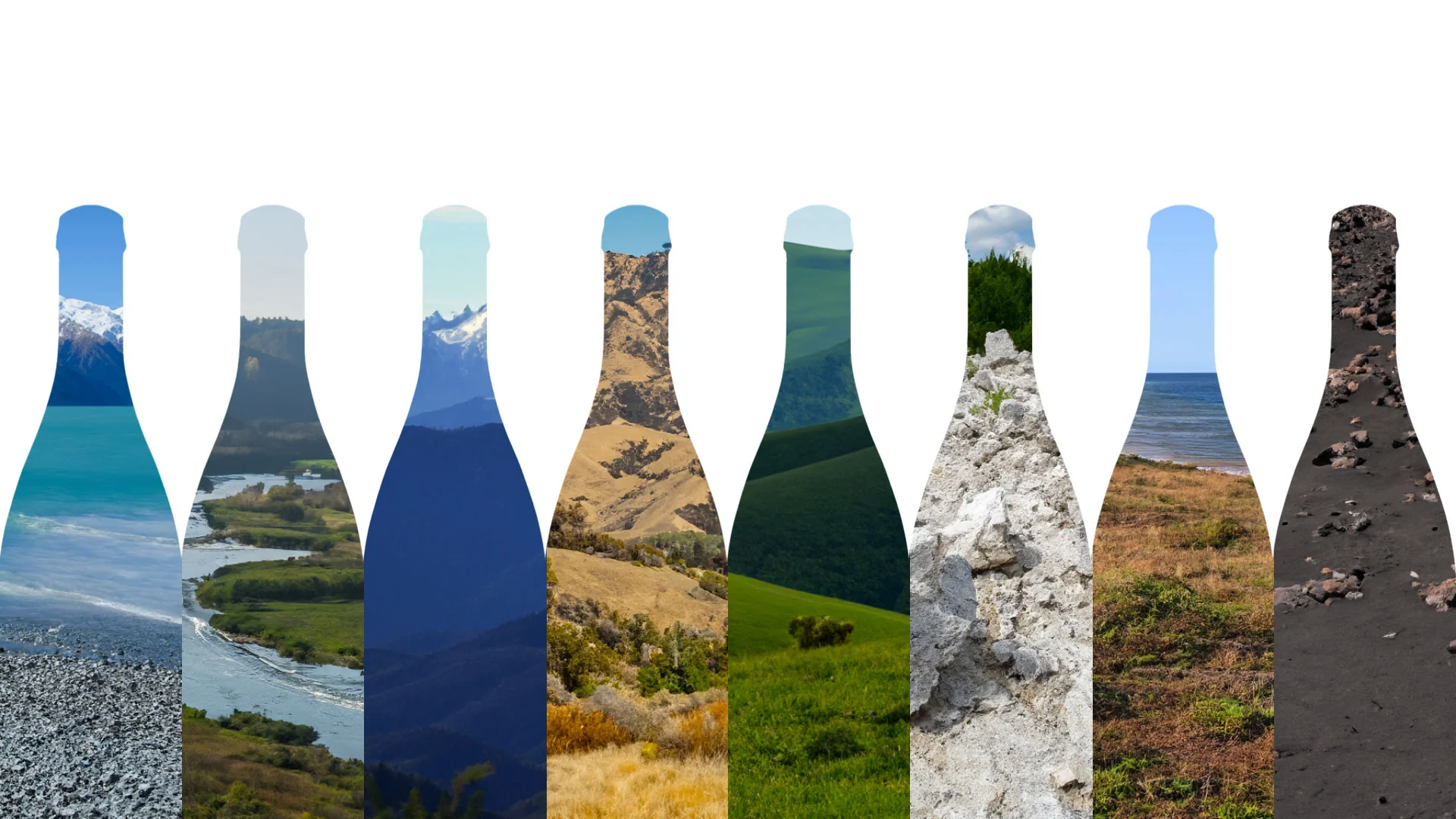
Wine is one of the few products that very much expresses its place. They emphasize that the character of a wine derives a lot from its environment, or “terroir,” the French term for the environmental elements that influence grape growing. Wines with distinctive characteristics are produced in several nations around the world thanks to factors such as climate and soil composition, altitude as well as local winemaking techniques. Learning what it is about regions that imparts flavor characteristics to the wine can help develop a bigger appreciation for all the differences found in each and every bottle.
Climate as The Dominant Factor in Wine Flavor
Of the many influences on the taste of wine, climate is obviously far and away paramount. The warmer the climate, the riper the grapes for higher alcohol content and more pronounced fruit flavors while having lower acidity too. Wines from warmer regions, for instance, tend to emphasize dark fruits such as a ripe blackberry and plum with jammy qualities.
By contrast, cooler wine-growing regions produce grapes with higher acidity and less intense fruit characteristics. Wines from these districts characterize flavors of green apple, citrus, cranberry or cherry. Read more: How to keep your wine fresh and preserve its elegance The cooler temperatures help achieve freshness while creating a lighter, more elegant style of wine. This is the reason why such diversity in flavors appears for same variety of grapes depending on where they are grown.
Soil Composition and Its Impact
Soil type can have a huge effect on wine flavor, especially in a vineyard. Various types of soils allow different degrees of drainage, nutrients, and minerals that impact grape growth. Sandy soils tend to lead to lighter wines with more subtle aromatics, while clay-rich soils usually result in fuller-bodied wines that are fruitier.
Soils with a base of limestone are prized in many of the world’s great wine regions as they have the ability to keep acidity and contribute its structure and complexity to a wine. Some areas with volcanic soils may confer singular mineral characteristics resulting in wines that possess depth and identity. Soil doesn’t technically play a role in adding flavours to the grape, its influence moves more towards the health of the vine and consequently how good those grapes taste as they go into your final product.
Altitude and Elevation Effects
Altitude is another important factor to wine flavor. Higher elevation vineyards tend to be cooler and show increased diurnal difference. This allows the grapes to cool down during the night while they ripen very slowly and preserve their acidic balance.
Hence, many wines originating from the altiplano show strong fruit perceptions with appropriate acid and higher aromatic intensity. The higher elevation areas also receive more sunlight, which can intensify color and flavors in the grapes. High-altitude vineyard locations are exploited for their remarkable complexity and elegance, so many premium wine regions are located on high ground.
Regional Traditions and Winemaking Techniques
Outside of natural environmental influences, regional winemaking traditions affect actual tastes in the wines. For centuries, different areas have developed their own ways of producing wine, giving it style and personality characteristics. Other producers choose to age their wines in oak barrels, which impart notes of vanilla, spice and toast. A lot of these are fermented in stainless steel, which preserves a fresh fruit character.
Decisions about harvest timing, fermentation approaches, and aging practices are also influenced by cultural preferences. These regional approaches help define the identities that wine lovers have come to ascribe to individual wine-producing regions.
Famous Examples of Regional Influence
As the grape is put into context with respect to regionality its influence becomes much more lucid. Cool climate Chardonnay can show pure apple, lemon and mineral notes, whilst a warmer region can produce tropical fruit notes of pineapple or even mango. Depending on its place of origin, Cabernet Sauvignon can be more restrained and structured or bold and fruit-forward in profile.
It is this regional diversity that keeps wine endlessly fascinating. The last but equally important expression of this is that even if you grow the same grapes, no two wine regions give identical results.
Conclusion
There are deep geographical connections to wine flavor. Different soil, climate, altitude and local winemaking traditions impart unique avors that make wines from those regions special. These factors combine to produce an incredible diversity of styles, aromas and flavor characteristic of the region where the grapes were grown. Wine lovers can taste the broad diversity that elevates wine to be one of the most revered beverages of this world by sipping wines from various terroirs.