 By Francisca W. Sell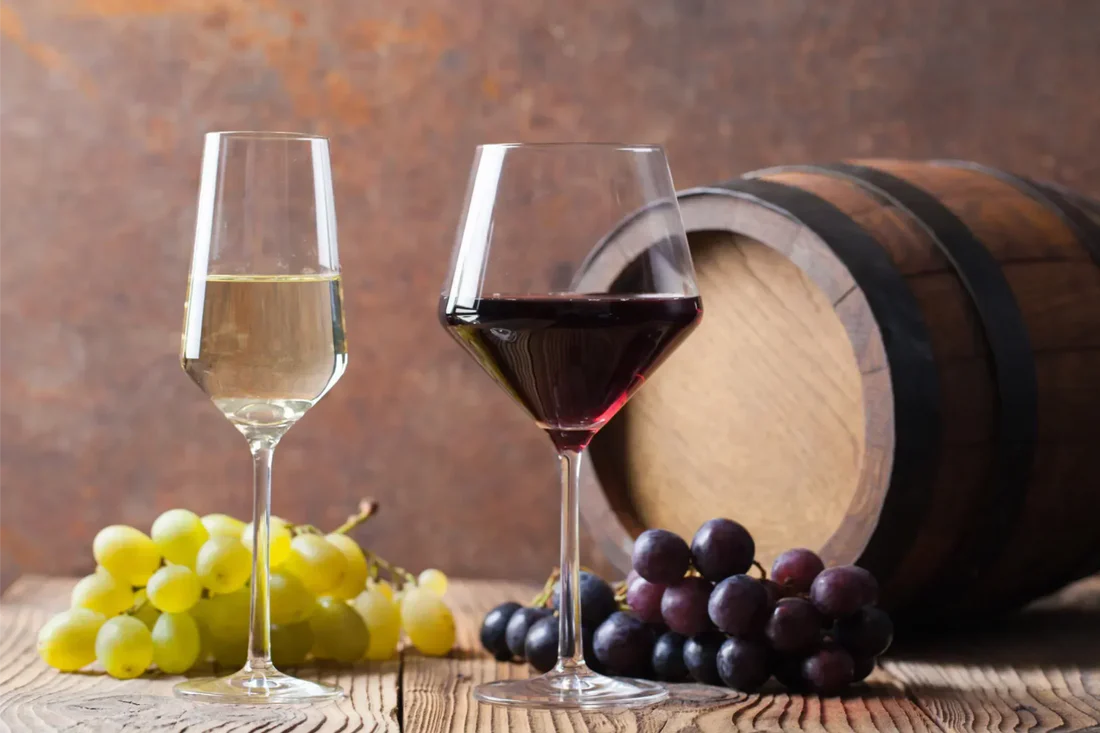
Wine has been consumed for thousands of years and is still one of the most widely drunk alcoholic beverages in many country all around the world. No matter if at a restaurant, a celebration or home sweet home you will most probably be faced with two kinds of wine from the start: red wine and white wine. Although both are created from grapes, they are significantly different in flavor, production processes as well as looks and food pairings. These differences can help you to select the right wine for every single occasion.
Differences in Production: Red vs White Wine
By far the biggest difference between red and white wine is how they’re made. Tip: red wine is produced by dark-skinned grape varieties with the grape skins left in contact with the juice as it ferments. That process is what provides red wine its dark color, intense flavor and tannin content.
In contrast, white wine is usually produced from grapes whose skins are removed before fermentation. This leads to lighter colored white wine and fresher, crisper flavor. It may come as a surprise, but white wine can be made from both green and red grapes, so long as the skins are removed prior to fermentation.
Differences in Color and Appearance
It is quite noticeable that red wine and white wine are different in color. Red wines can be light ruby, deep purple and even brick-red as they age. The color pigments come from the grape skins.
Typically, white wines are yellow to yellow-green or straw-colored. Certain types might be nearly clear, while aged whites are typically darker gold. The lack of long maceration time is what results in the lighter style of white wine.
Flavor Profiles
Discover the flavor contrast offered by red and white wines. Red wines tend to have robust, multifaceted flavors that can be enriched with aromas of such fruits as berries, cherries, plums along with chocolate tobacco and spices. They will also usually have a thicker body and stronger mouthfeel.
While wines of the monks feel smoother and inexperienced. They have notes that are common such as citrus fruits, apples and pears, peaches and tropical fruits as well as floral aromas. Apart from that, a lot of white wines are considered as more acidic which reflects on their crispy and zingy flavor
Red or white wine is often just a matter of taste. Red wine may appeal more to those who like things heavier and bolder, whereas white wine may be chosen by people prefer lighter and juicier drinks.
Tannins and Texture
Tannins are one of the defining characteristics in red wine. Tannins they are natural compounds discovered in grape skins, seeds and stems. They are responsible for the astringent mouth feel, as well as its structure and aging potential in red wines.
Because the skins have been separated early in the process of white wine production, white wines usually have little or no tannins. Consequently leading to an incredibly smoother and lighter mouthfeel. For many wine drinkers, tannins are what gives red wine its weight and complexity.
Food Pairing Suggestions
Red and white wines also demonstrate differences in food pairing. Red wine typically goes well with rich, heavy dishes such as grilled meats, steaks, lamb, pasta with red sauces and aged cheeses. They provide a punch without covering up broader palate attacks.
White wines partner seaward, chicken, plates of mixed greens, rich pasta dishes and gentle cheeses. Because of that acidity, they also lend bright notes to more delicate flavor profiles and elevate freshness in very many dishes.
Although these classic pairings are good advice, personal preference should determine the end result.
Health Considerations
Red and white wines both have antioxidants, but red wine is often praised more because it sits with grape skins longer. Moderate red wine has been associated with heart health benefits in some studies. But no matter the type of wine, drinking too much can have adverse health effects.
Conclusion
Both red wine and white wine have their unique traits that will appeal to different tastes for various occasions. NEURO-Red or White Wine — Red wine, on the other hand, is characterised by bold rich flavours, deeper colour and higher tannin (the polyphenols responsible for mouth feel), while white wine tends to be light-bodied, crisp and refreshing. Knowing more about their variances in the production of wine, taste, texture and food pairing will give you great certainty about what is best suited for you.